
Sepette ürün yok.






Finding the best way to play poker online comes down to matching the lobby to your own rhythm, not chasing a mythical perfect setup. In Canberra, where sessions often stretch into the evening, players tend to value clear navigation and predictable tables over flashy extras. A licensed environment with a steady game mix gives you room to learn without feeling rushed. That practical mindset is what separates a good session from a frustrating one.
That same practical mindset applies when evaluating where to play, since reliable payouts and straightforward terms matter far more than promotional noise. For a clear breakdown of platforms that fit this low-fuss approach, you can read the spin samurai casino review australia at spin samurai casino review australia. Filtering options by your usual session length and preferred table pace will always yield a smoother experience than chasing fleeting incentives.
Reading the lobby before you sit down
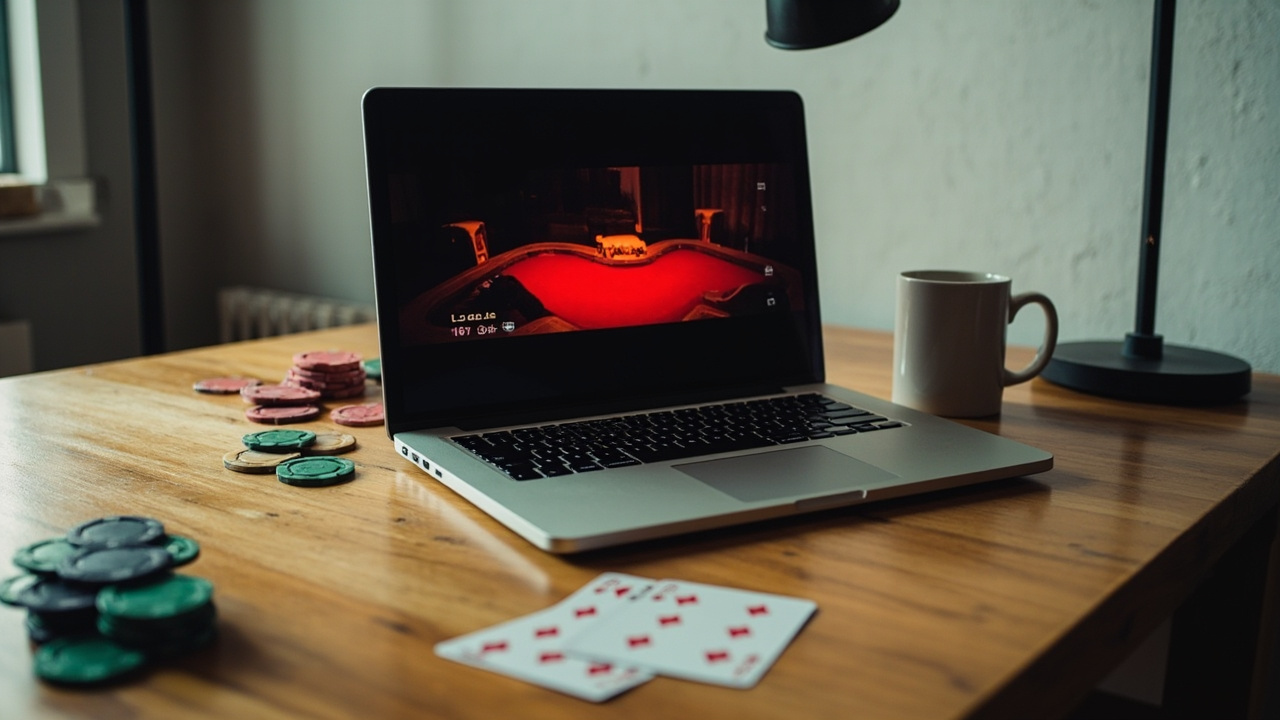
A well-organised lobby does the heavy lifting before you ever post a blind. Look for a table filter that separates cash games from tournaments, then sort by stake, seat count, and time control. The best lobbies keep search visible, let you save favourite tables, and surface new rooms without burying them under promotions. When you can find a six-max No-Limit Hold’em table at the exact stake you want within a few taps, you have already won part of the battle. A lean lobby also signals that the operator respects your time, which matters when you are balancing a session around work or a late arvo break.
How the hands actually flow once you join
When you click into a cash game, the first minute is about tempo, not theory. Sit out the first orbit if you want to read bet sizing and note who raises from the blinds. In tournaments, the early levels reward patience, so collect chips without forcing marginal all-in calls. The platform should hold your bet sliders steady, show clear pot counts, and keep the action moving without lag spikes. A disciplined interface lets you focus on your ranges instead of wrestling with the screen. That same discipline is what I have applied across more than 300 titles in my career, because a game that fights the player never holds attention for long.
- Open the lobby and filter for your preferred format, stake, and number of players.
- Watch the first orbit or level before entering pots to gauge table tempo.
- Set a session stake ceiling and a timer, then stick to both.
- Use the table tools to tag opponents and track simple stats as you play.
- Close the session when the timer ends, regardless of how the cards ran.
The mechanics behind that flow matter more than most players admit. Lightning Roulette, for example, adds random multipliers to certain numbers, which is a clean way to inject variance without rewriting the whole game. That same design thinking – controlled risk, visible outcomes, a steady cadence – is what keeps a poker table readable. When an operator balances those elements, the room feels fair rather than chaotic, and that is exactly the kind of environment where skill can actually show up.
Who this setup fits best
This approach suits players who want a steady, readable room rather than a constant stream of side bets and pop-ups. If you prefer to think in ranges, manage your bankroll in clear increments, and leave the table with your nerves intact, a clean lobby and predictable tables will suit you. It is less ideal for someone chasing rapid swings or expecting a bonus to carry every session. A fair go in poker comes from a room that lets you make decisions, not one that nags you into them. For players in Canberra who log on between commitments, that clarity is worth more than a crowded lobby with a dozen distractions.
“Clarity in the lobby is the first responsible step, because confused players make rushed decisions,” says Oliver Parker, Responsible Gambling Adviser, Southern Cross Gaming Advisory. “A room that lets you filter, track, and step away on your own terms is a room that respects the player.” Adam Watson, Senior Market Analyst, Flinders Interactive Group, adds that “operators who keep the table tools simple and the promotions quiet tend to hold longer sessions, because the player is playing the game rather than the interface.”
The best way to play poker online is really about choosing a room that lets you play your game, then using it with discipline. Start with a lobby that filters cleanly, watch the tempo before you commit, and keep your stakes and time in check. When the room supports your rhythm instead of interrupting it, the cards still run their course, but you get to decide how long you stay in the hand.
